The Wabi-Sabi Aesthetics of Kyoto's Hidden Temple Grounds
By Editorial Staff • Published in Autumn Collection • 111111
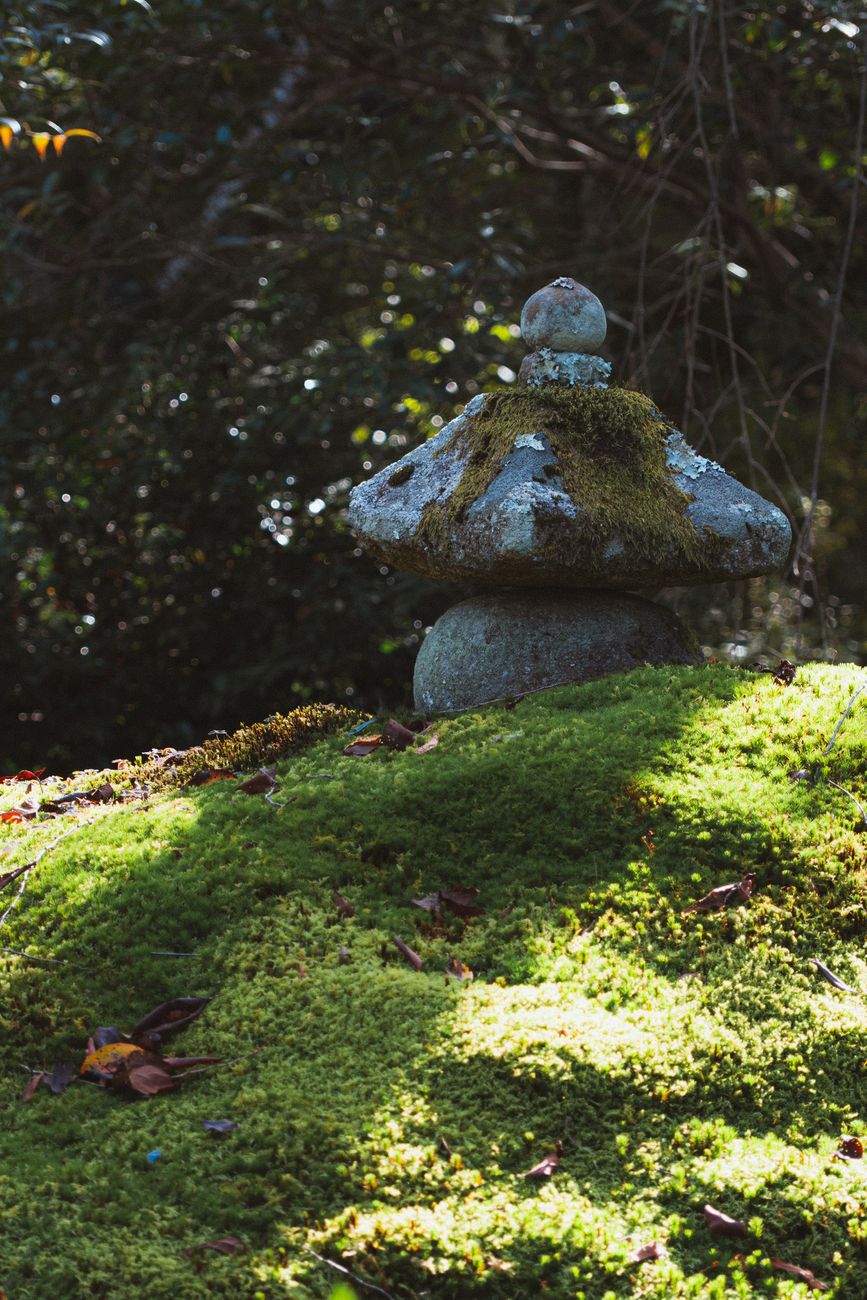
In the northern foothills of Kyoto, early morning mists cling to cedar canopies before burning off into pale gold light. Here, away from the crowded avenues of Gion and the bustling bus routes, time slows to the dripping of bamboo water spouts and the rustle of maple leaves.
The Beauty of Impermanence
Japanese aesthetics has long revered wabi-sabi—the contemplation of transience, simplicity, and unpretentious patina. At sub-temples like Honen-in or Gio-ji, moss does not represent neglect; rather, it is a living tapestry cultivated over generations, celebrated for its subtle variations in hue after autumn rains.
“To understand Kyoto is to recognize that beauty resides in the subtle crack of a teacup, the weathered gray of unpainted cedar, and the silence between temple bells.”
Walking barefoot along the smooth cypress verandas of these secluded monasteries, visitors are prompted to cast aside itineraries. The architectural layout directs attention outward toward framed courtyards, where gravel raked in undulating ripples evokes mountain waves.
Practical Field Guidance for Mindful Exploration
- Timing: Arrive at temple gates when they open at 08:30 to experience acoustic purity before tour groups gather.
- Footwear: Slip-on shoes with clean socks are essential as shoes are removed at every tatami entrance.
- Etiquette: Avoid photography inside prayer halls enshrining principal deities; let memory hold the sacred atmosphere.
Enjoyed this dispatch?
Inquire for our complete slow traveler guide to Kansai.